
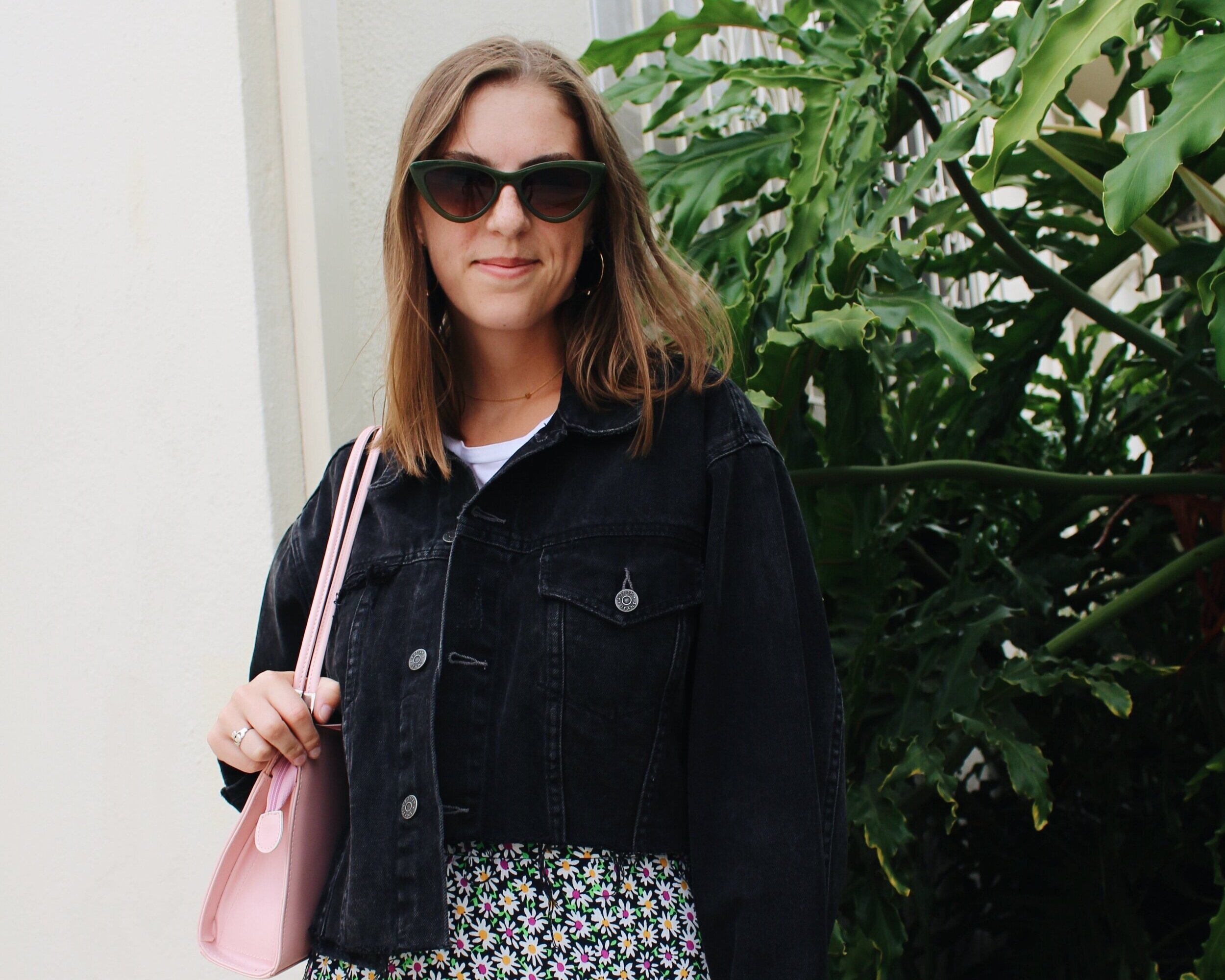
5 Sustainable Steps with Megan McSherry
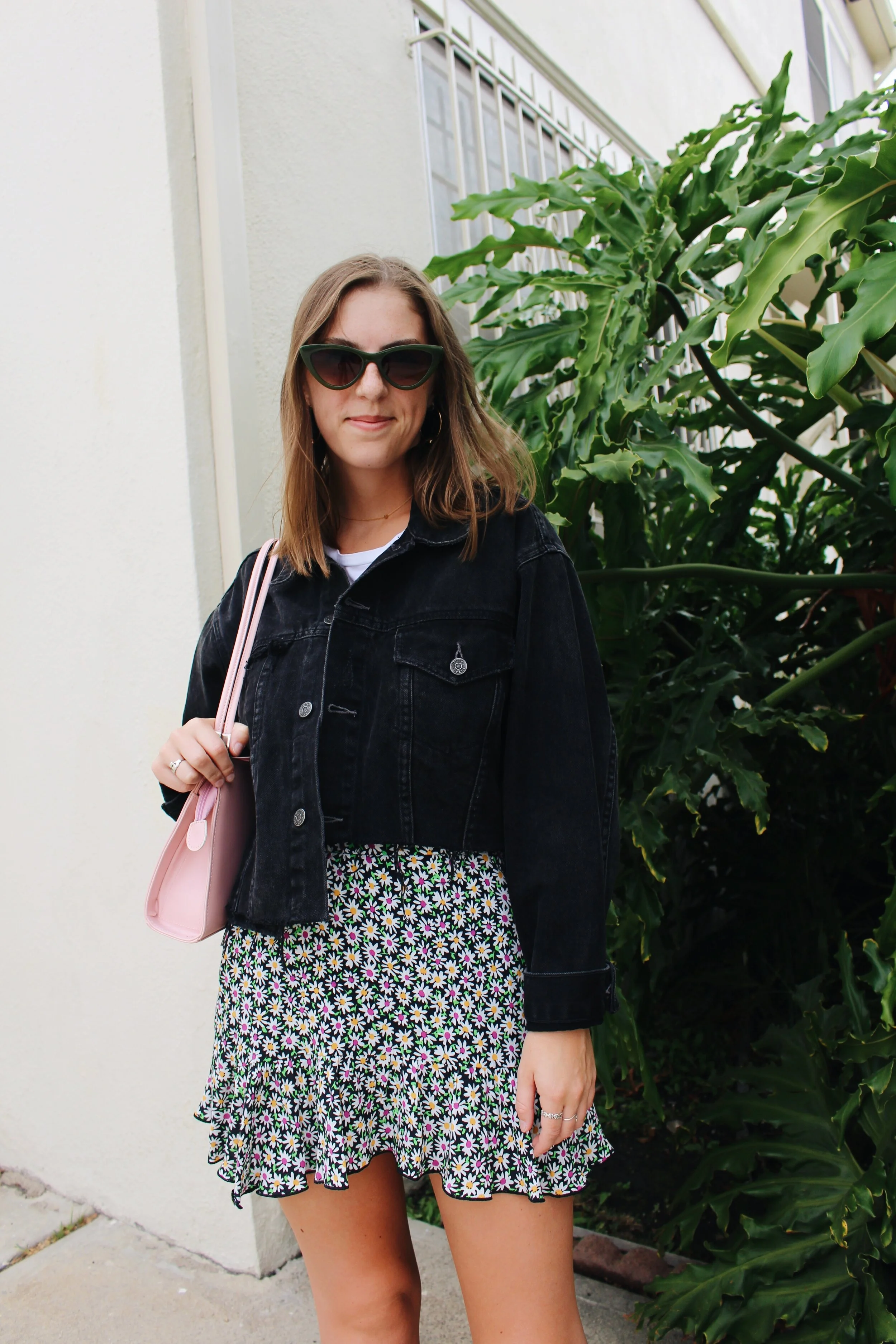
There’s a reason Megan McSherry has over 1.5 million likes on her TikTok account, acteevism. Her fun videos range from thrift flips, to sustainable brand recommendations, to discussing the role of individual and collective actions in the broader climate crisis, creating a fun, honest, and inclusive environment to learn about sustainability (gaining her over 55,000 followers as of date🎉). Today on the environmentenlist blog, Megan is sharing five simple, sustainable steps she takes for the environment:
“Picking up trash around my neighborhood when I go on walks.”
“Talking with friends, family, co-workers, professors etc. about sustainability and how the impacts of the climate crisis relate to what's important to them.”
“Using reusables whenever possible - saves me money, reduces my single use plastic, and sparks up great conversations with baristas, grocery store employees, and friends!
“Making TikToks about environmental issues, individual sustainability, and how to hold corporations and major polluters responsible!”
“Upcycling clothes and furniture to give items that already exist a new life.
Thank you again to Megan for sharing her tips and for being this week’s guest on environmentenlist — be sure to check her out on TikTok and Instagram @acteevism, and read her blog, acteevism.com, for more tips!

Elena’s Picks: Ethical Fashion + Skincare

This week’s episode of environmentenlist features Elena Taber, a content creator known for her amazing travel, fashion, sustainability, and lifestyle videos that have attracted over 500,000 subscribers on YouTube. Today on the blog, Elena is sharing her favorite ethical fashion, skincare, and beauty brands.
Fashion
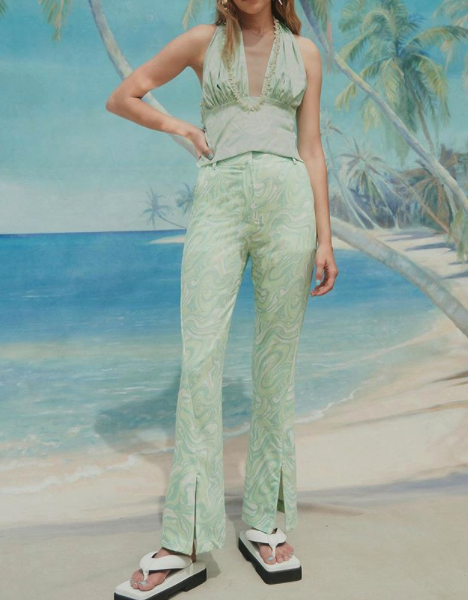
Photo Credit: @houseofsunny on Instagram

Photo Credit: @lacausaclothing on Instagram
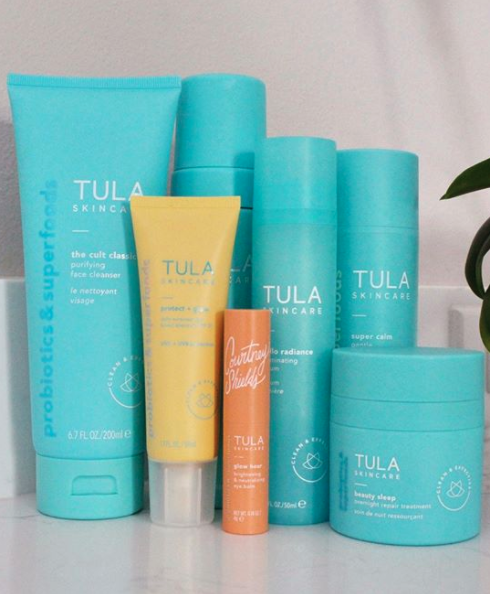
Photo Credit: @tula on Instagram

Photo Credit: @caudalie on Instagram
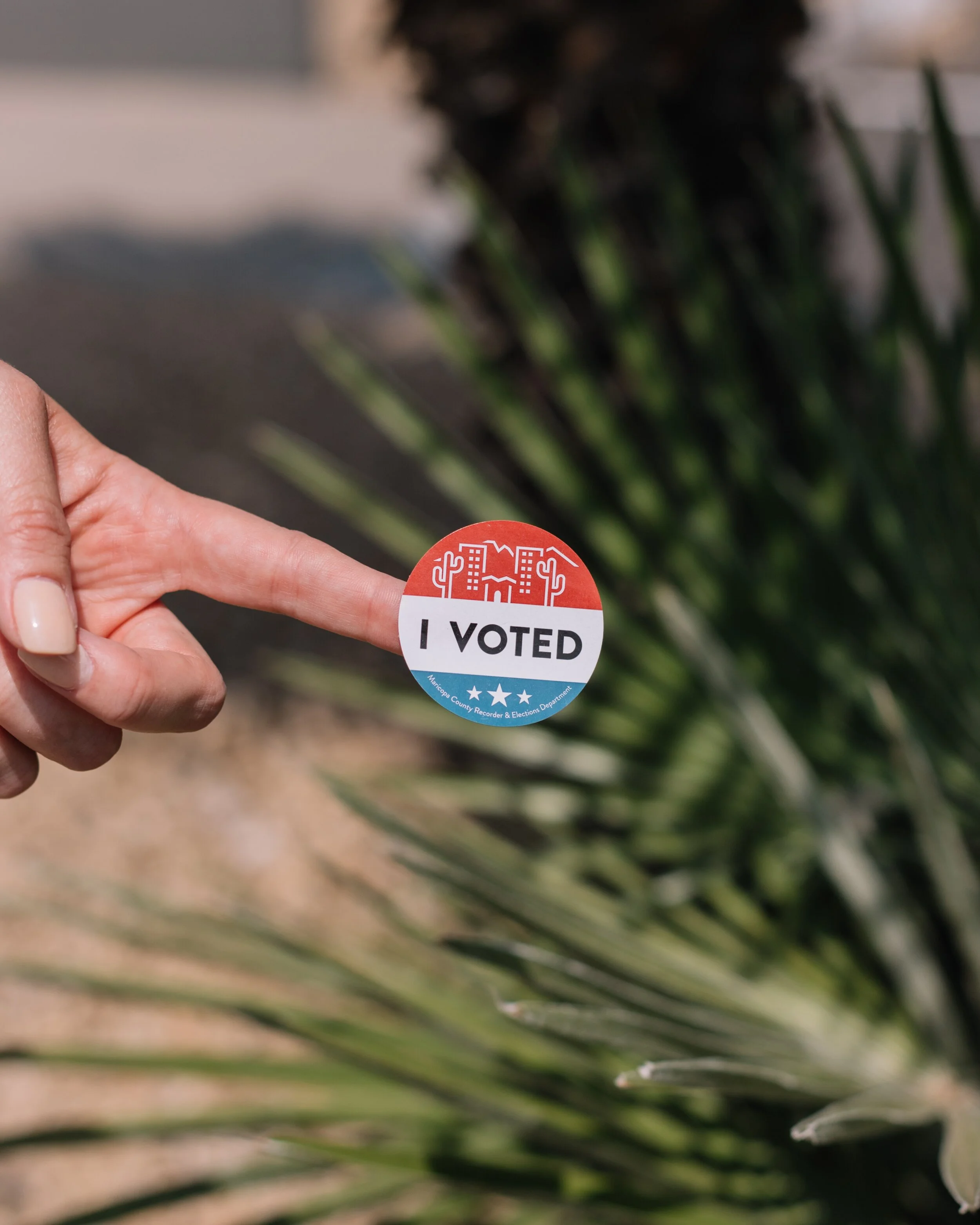
How to Vote for the Environment
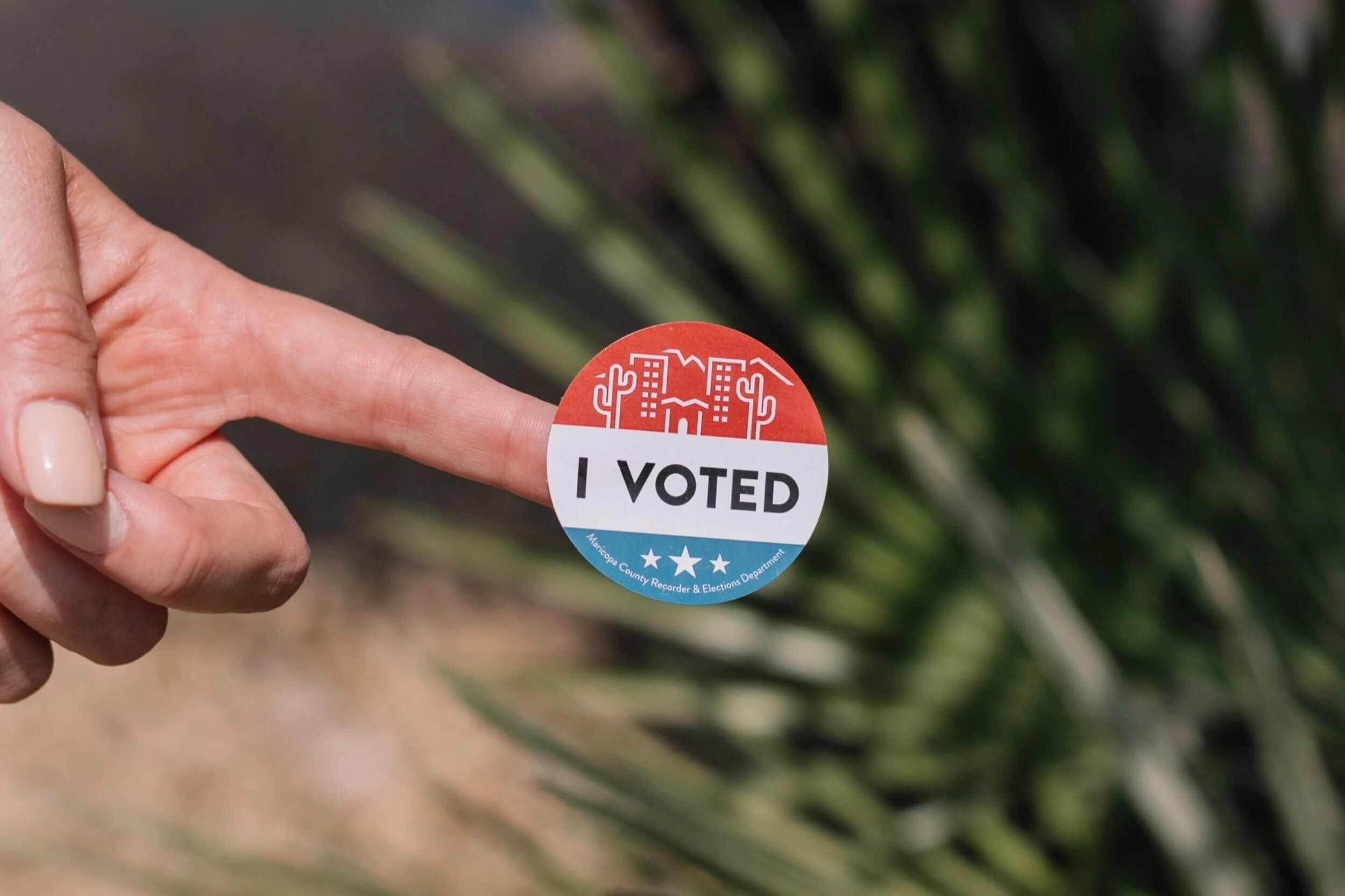
The United States 2020 Election is underway, with some states opening for early voting already. There has never been more at stake for the environment than in this election, and much of this change also needs to happen at the state and local levels. As we inch closer to Election Day, and in honor of National Voter Registration Day, we’ve put together some resources for you to learn more about environmental policies, candidates, and staying up to date with voting information.
General Resources:
Text VOTER to 26797 to register to vote, find your polling place, & get election updates through I am a Voter. : this non-partisan organization works to make voting more accessible to all Americans, check out their site for great voting info.
Ballotpedia: this site is a go-to for presidential, congressional, state, and local elections. There’s lots of information to navigate but you can usually find what you’re looking for pretty quickly with a simple search of the election you’d like to know more about (i.e ‘United States Senate Election in [insert state], 2020’) or a candidate’s name.
How to Participate in Politics - New York Times: a great guide to becoming more politically active.
EPA Laws + Regulations: here is more information on the laws, regulations, and regulatory information surrounding our environment. Familiarizing yourself with these is helpful for understanding the extent of what is being done, and analyzing which candidates have the best plans to improve.
OpenSecrets: this platform helps you see how money can influence elections and public policy by tracking campaign funding, super PACS, Dark Money, and more. By digging into some of this information, you can learn about the priorities of businesses, and the candidates they choose to support.
Other organizations to check out: Rock the Vote, Vote.org
The Presidential Election
While the future of our planet truly should not be a partisan issue, in this election it most definitely is. With so little time left to protect the Earth from irreversible climate damage, our vote in 2020 is a make or break our environment. In short, Joe Biden’s platform is centered around building infrastructure and increasing spending in clean energy, while President Trump is working to roll back 100 policies protecting the planet (with over 70 already completed), centering his climate platform around the coal + oil industries. Here are a few resources to learn more:
Greenpeace: Where’s Your 2020 Candidate on Climate?
Politico: Joe Biden’s Views on Energy, Environment, and Climate Change
Ballotpedia: 2020 presidential candidates on energy and environmental issues
NRDC: Tracking Trump’s Environmental Rollbacks
Congressional Candidates
Vote Smart Vote Easy Quiz: at the most basic level, this quick quiz can help you learn about which congressional candidate is most similar to you in regards to specific issues, including energy & the environment.
According to Ballotpedia, in this election, are 16 battleground Senate elections and 59 battleground House elections. In many case previous candidates, or the incumbents, are running for re-election. If you’d like to learn about these candidates’ time in office and the decisions that they’ve made, you can check out Propublica’s Represent. Using this resource, you can look up a candidate’s name and see how they have voted in the past, and decide if it aligns with your own values.
State or Local Elections
Your local paper and news channels: keep an eye on these sources for special stories or interviews with local candidates.
Find your state or local election - USA.gov: this resource is great for finding where your state provides information about elections, candidates, initiatives, and any special circumstances surrounding voting in your area. Be sure to go down the rabbit hole of researching candidates in your local elections and don’t be afraid to get in touch with them if you have any questions about the decisions they may influence, especially regarding the environment.
If you are on this site, it means that you want to learn about, advocate, and enlist for our environment. To protect the planet, one of the greatest collective actions we can take is rallying others to vote and making sure our voices are heard when Election Day comes.
Have any additional resources on environmental policy + politics? Email environmentenlist@gmail.com and we’ll be happy to share with our community!

Wild Fires Everywhere

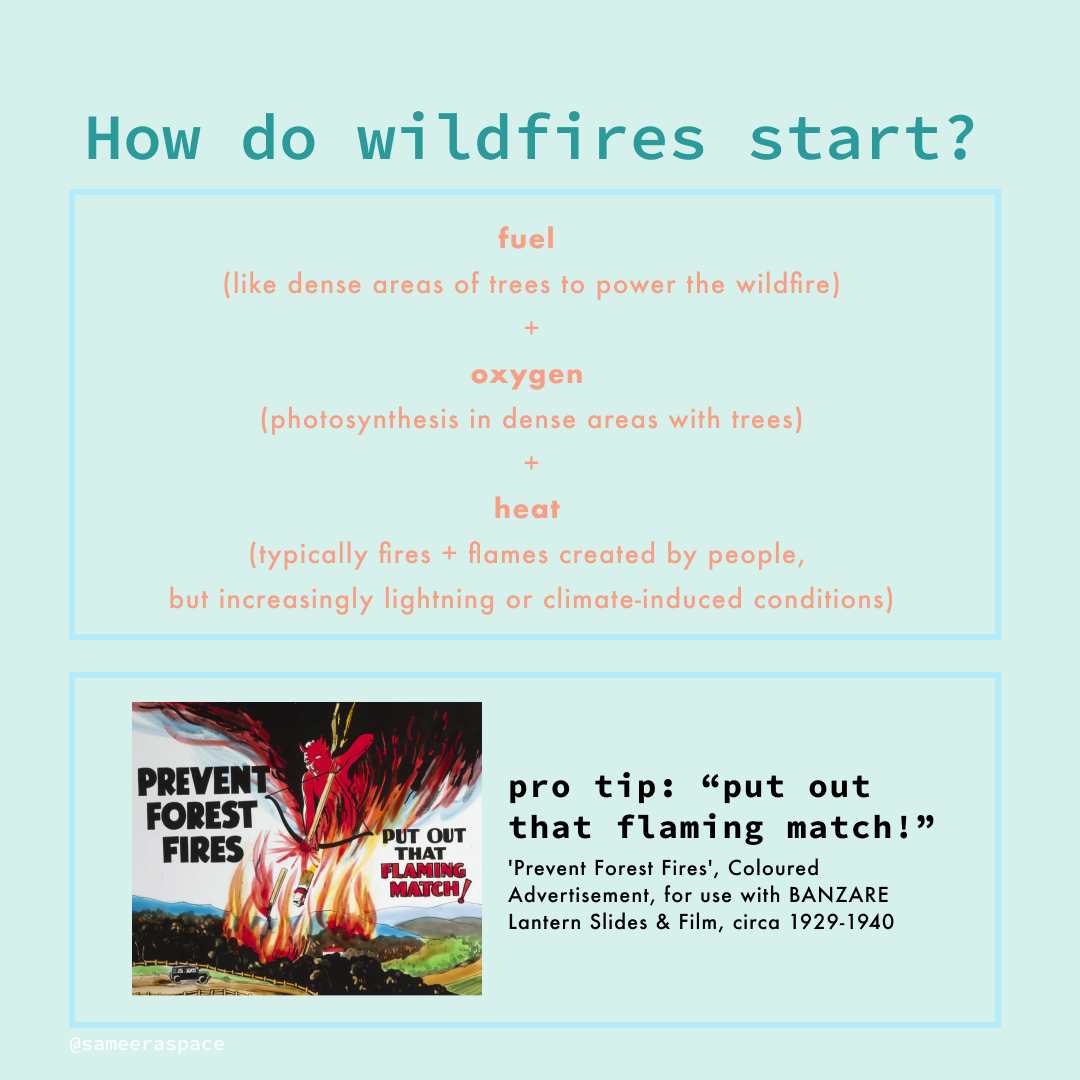
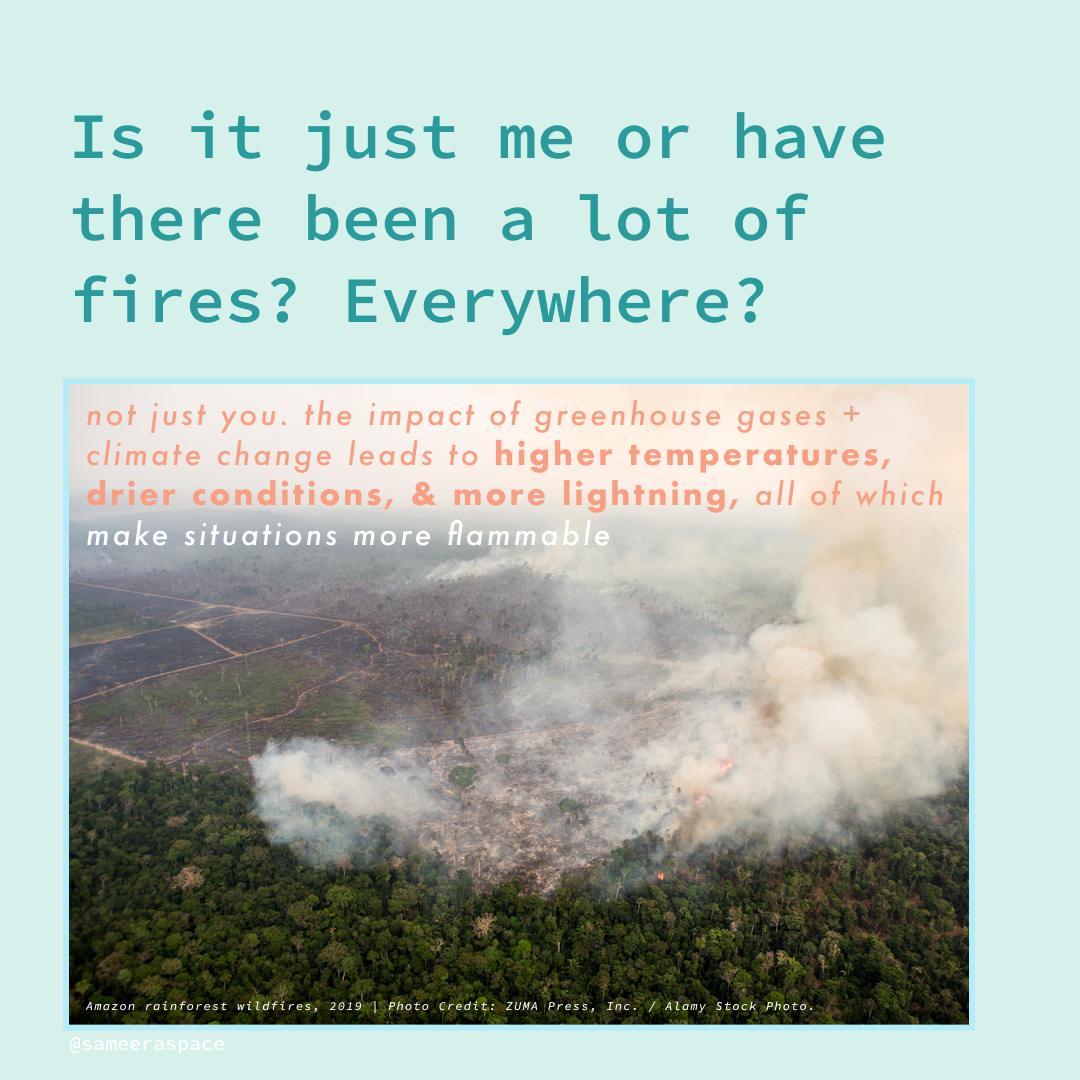
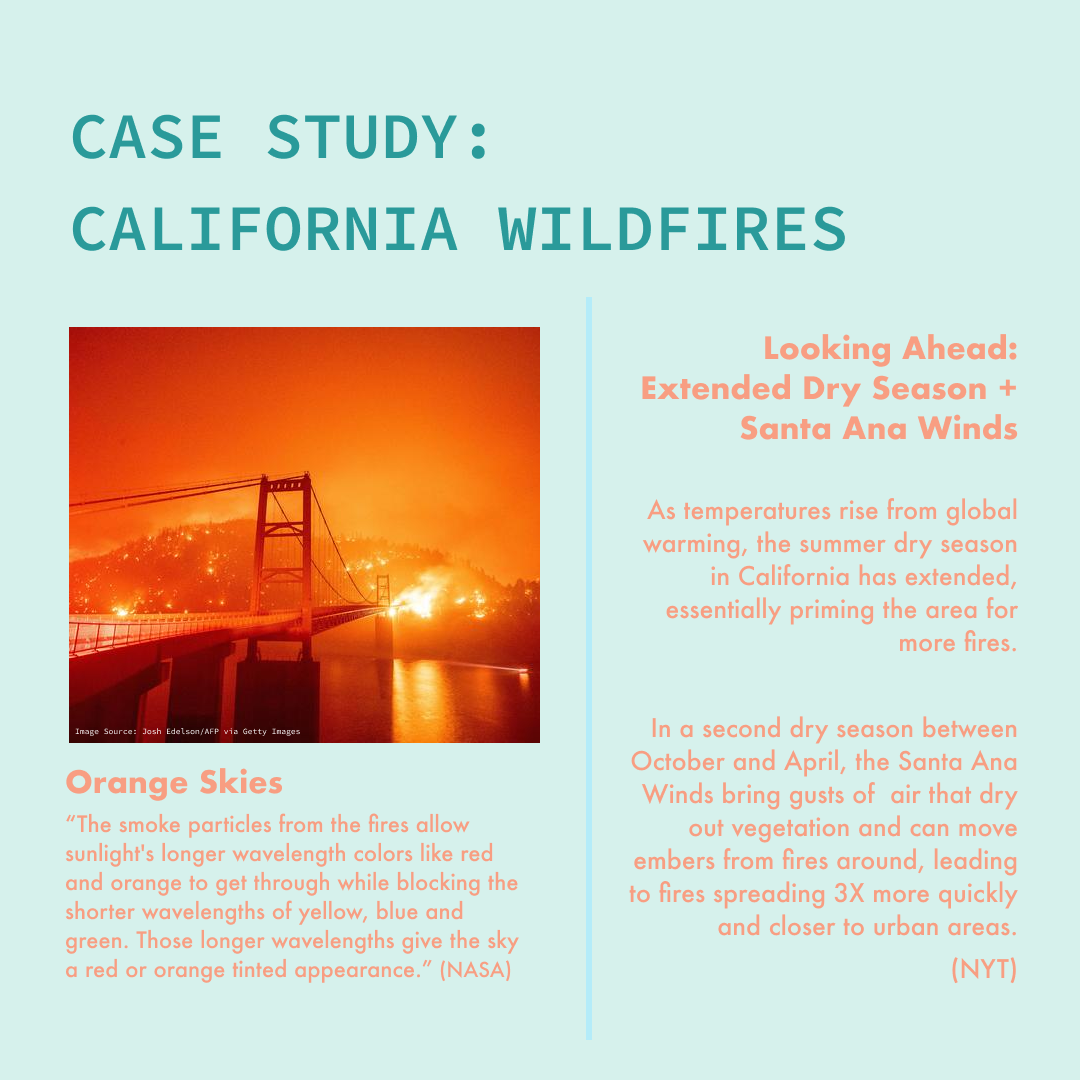
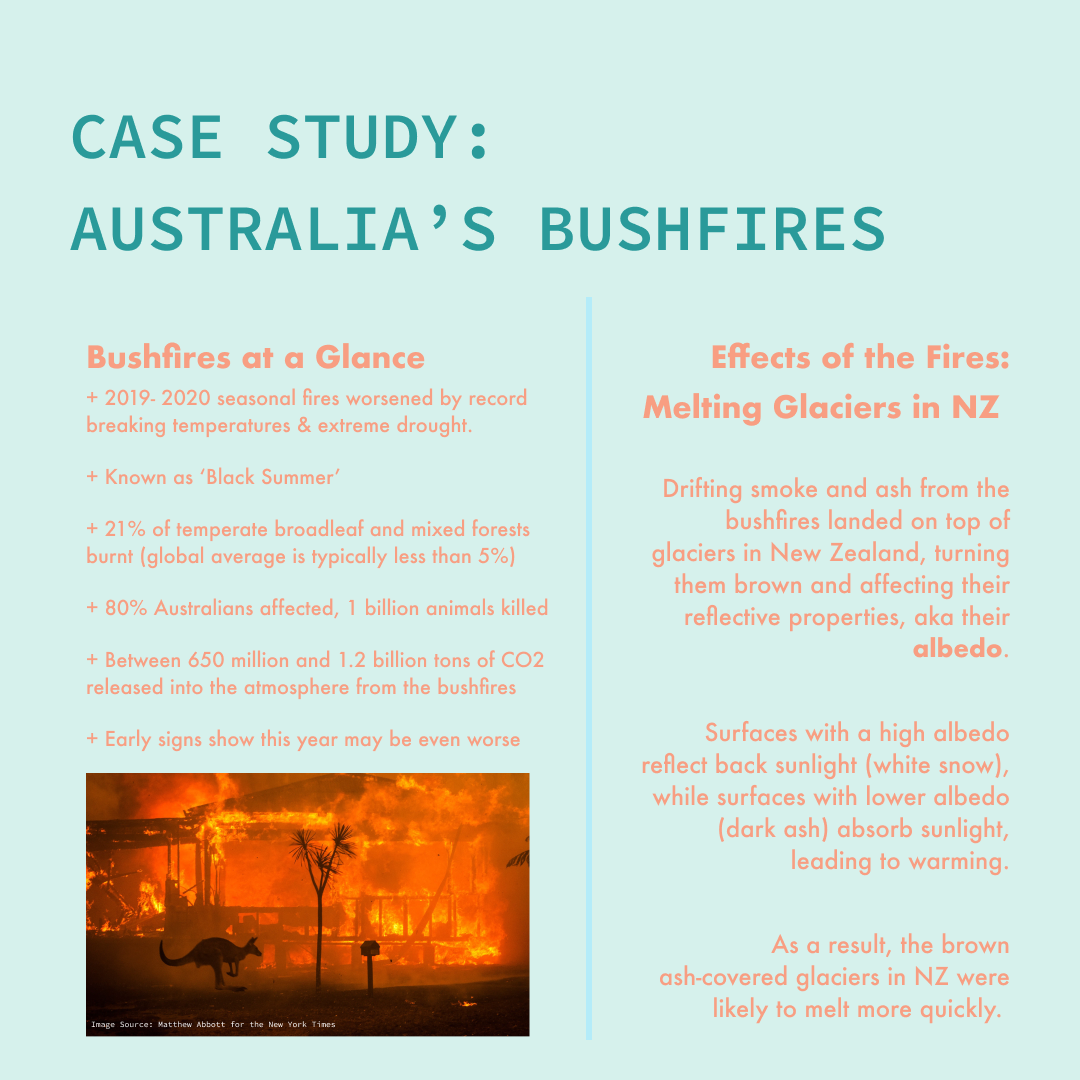
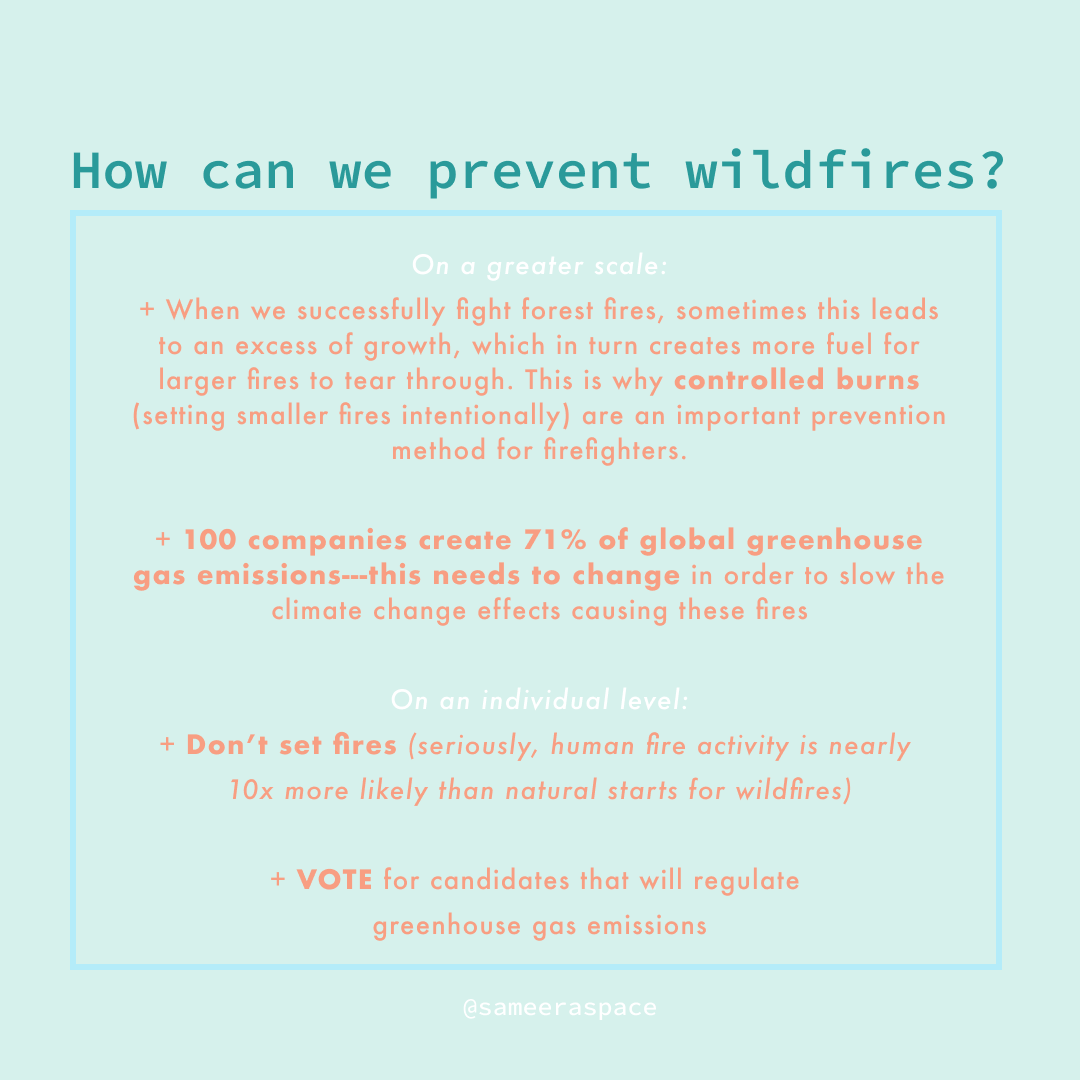
From the 2019 Amazon fires that continue to burn, to Australia’s bushfires in early January 2020, to just this week in California, Oregon, and Washington—it’s safe to say there have been wild fires everywhere. Click through this graphic for some basics on wildfires and their impacts!
Sources:
New York Times - ‘Why Does California Have Wildfires?’
NASA - ‘Red Skies in US Pacific Northwest Caused by Smoke from Siberian Fires’
Thought Co. - The Causal History of Forest Fires
The Guardian - ‘Just 100 Companies Responsible for 71% of Global Emissions, Study Says’
CNN - New Zealand Glaciers Turn Brown and Could Melt Faster Because of Australia’s Bushfires
A few of your favorite things ✉️
After following @sameeraspace and environmentenlist, many people have taken the time to send over articles, documentaries, books, and more resources to learn about how to better our planet—it’s the best thing ever. Here today to share just a few amazing recommendations from our growing community. If you’d ever like to share and be featured in a future post, please reach out at environmentenlist@gmail.com!
Articles
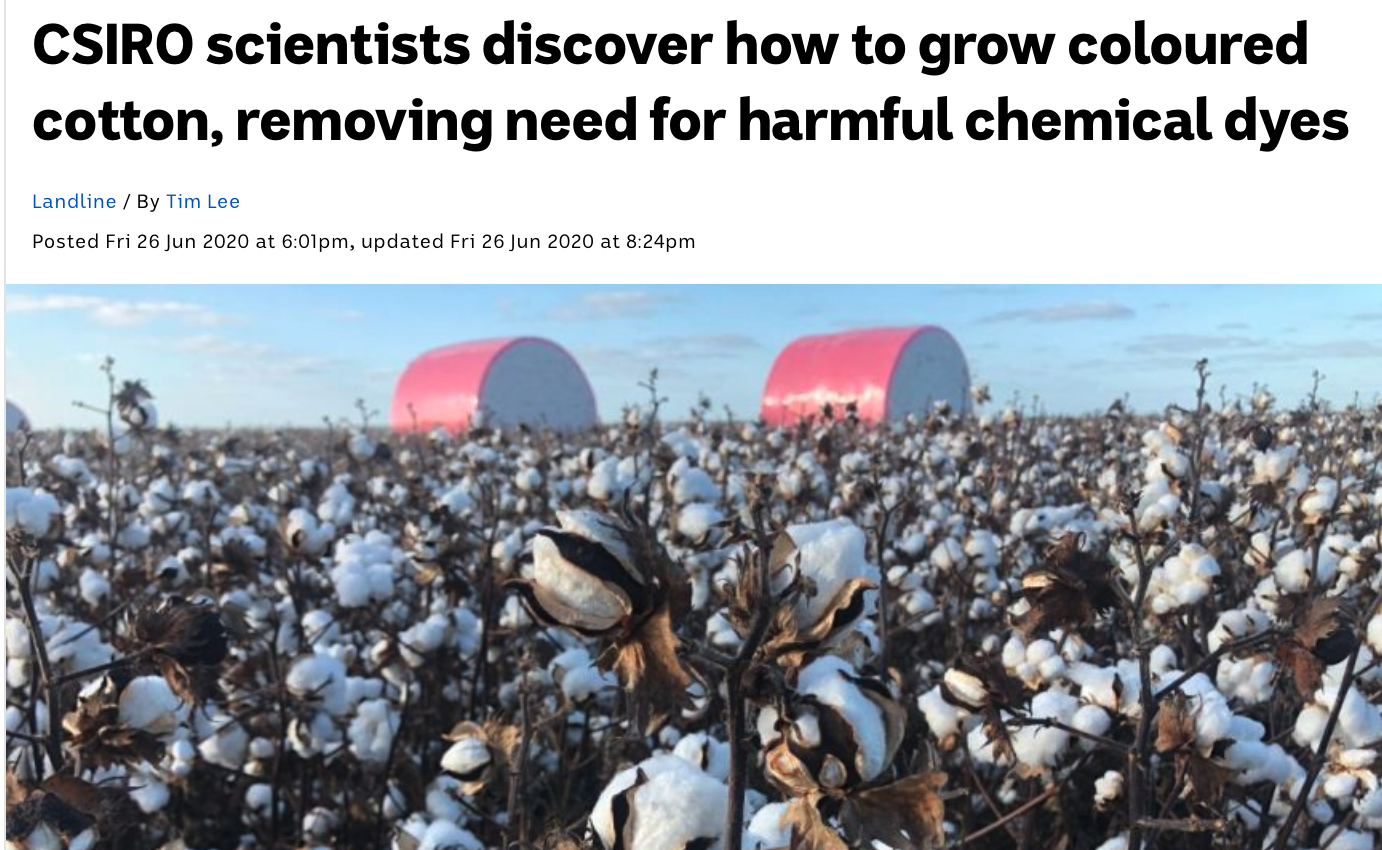
CSIRO scientists discover how to grow coloured cotton, removing need for harmful chemical dyes
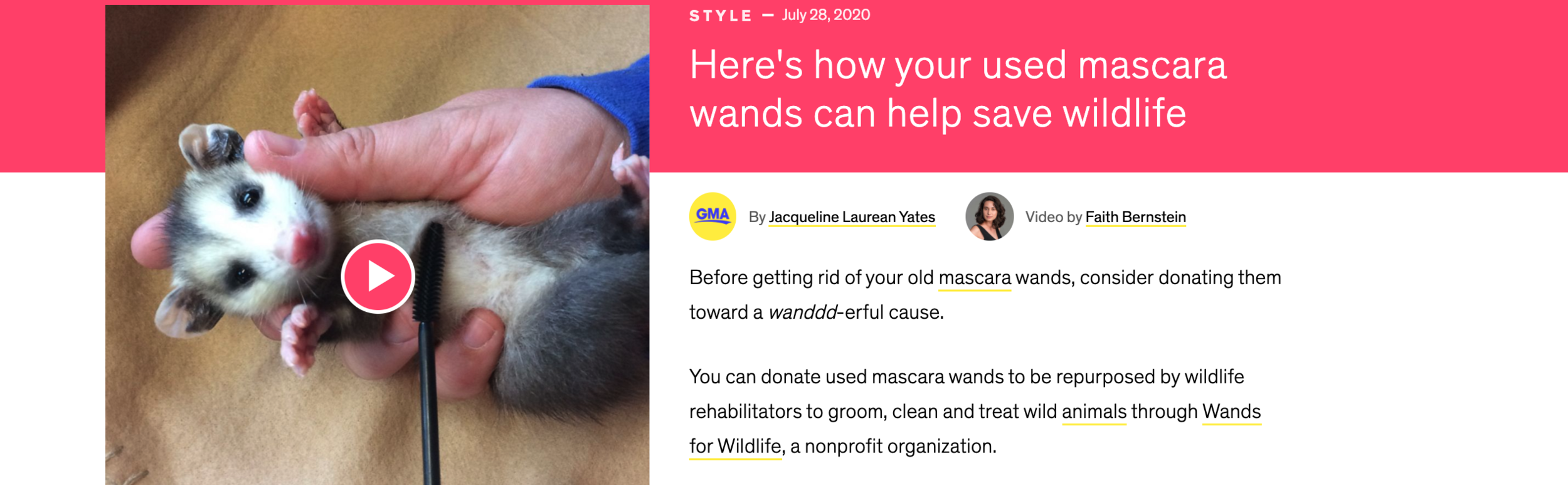
Documentaries
A Plastic Ocean
The Story of Plastic
Watch the movie here.
Brands

10 Steps to Take a Stand Against Our Plastic Problem

MINDSET
Make a list of the plastic that you see around you
Familiarize yourself with what you can easily give up, and what you might struggle more with, in your bathroom, bedroom, kitchen, etc. First and foremost, this will help give you a stronger sense of consciousness about your consumption.
Learn about different waste systems.
Currently, the majority of the waste we create is in a linear system, where we dispose in landfills with no opportunity for regeneration. A circular economy strives to create a closed loop system, where the waste we create contributes to the production of new materials + goods.
3. Follow a few people who have dedicated themselves to going plastic-free.
Even if this is not a goal for you, these influencers have the best tips on ways to reduce waste. Some favorites include @plasticfreemermaid @sedonachristina @trashisfortossers @wastefreemarie
PURCHASES
Check out Package Free Shop and Zero Waste Store
Both of these stores offer great zero waste swaps for many plastic products! Browsing the stores will give you ideas for how to take action in a way that best suits your lifestyle.
Shop for products made with Econyl
Some of the most harmful clothing are synthetics that are often found in activewear and swimwear. The fabric Econyl is used by tons of brands that are looking to create sustainable alternatives that you can shop from (ex. Adidas, Girlfriend Collective, and Vitamin A Swim). Econyl is made of recycled materials including plastics found in the ocean!
Microfiber Filter
Here are a few links to microfiber balls, bags, & filters, which help prevent harmful microplastics in our clothing from running off during laundry and contaminating oceans:
ACTIONS
Properly recycle
Look into your recycling system! Systems vary from place to place, and ensuring proper recycling is important in reducing waste + contamination, especially in regards to plastics. Learn some basics on plastic recycling in episode 2 of environmentenlist.
Beach Clean Up
Enough said—head to the beach to protect our oceans. While disposing plastic waste in the trash still isn’t ideal (because it’s unlikely to ever fully break down and return to the Earth), it prevents the destruction of marine life and ensures that as the plastic does deteriorate, it won’t find its way into our seafood + drinking water, causing serious health issues.
Sign Petitions
Take the Plastic Free July Challenge
This challenge has a way for everyone to get involved! Give up plastic for a day, week, the full month, in any way you can fully commit to. More than anything, take the opportunity to learn more about plastic pollution this month alongside 250 million global participants!
Quick Ways to Identify Sustainable Clothing Brands
Fast ways to avoid fast fashion
While consignment stores, thrift shops, and buying clothes secondhand online are all great options, navigating new sustainable fashion can be confusing. For many brands, full information surrounding labor standards, textiles, and supply chains can be hard to find. While it’s definitely helpful (& really interesting!) to fully understand the life cycle of clothing, we’ll save that for a podcast. In the meantime, here are some easy, telltale ways to understand if a brand meets the mark on sustainability.
IF YOU HAVE 5 MINUTES
Use Good on You
This app and website is a game changer and does a great job of breaking down a brand’s impact on the planet, on people, and on animals in an easy, dynamic way. It’s the most convenient eco-friendly encyclopedia that you can use on the go.
Become an Eco-Age Member and access Recommended Brands
Eco-Age is a great way to stay up to date with sustainability focused news, lifestyle hacks, and fashion trends. Beyond standard news articles, you can also become a member for free and have access to the Recommended Brands directory. You can easily filter products by cause or category to find clothing, hotels, jewelry, beauty products, swimwear, and more.
Look into Re/make
Re/make is a 501(c)3 non-profit that believes fashion can be a force for good. Check out their list of sustainable brands here.
Work Backwards
Many times, it’s helpful to understand new, innovative sustainable fabrics and look at the webpage for that company to see which brands they partner with. For example: Econyl has a list of apparel brands they have worked with, so you can go to any of those brands and purchase products made with the fabric.
IF YOU HAVE 10-15 MINUTES
Email your favorite brands or read brand reports
Email your favorite brands! Ask them the questions you actually want answers to, and if they don’t answer, let that speak for itself. Many brands also share public reports detailing long-term plans to transition to more sustainable fabrics, production methods, and packaging. Reading through these reports is a great way to learn what a brand currently does and is looking to do in the future. It allows a brand’s values to really shine, however…
Remember that transparency is not the same as sustainability
While transparency is great, keep in mind that what a brand intends to do is completely different from what it is currently doing. If you finish a report and feel like you learned nothing or that there might be hints of greenwashing, the best thing to do is to take a look at the fabrics being used in a garment and also do a few searches into the brand’s production standards.
Fabrics that are (generally) better for the environment: Tencel, Hemp, Linen, GOTS certified organic cotton, Econyl, rPET, Lyocell
Stay tuned for a full breakdown on fast-fashion and how businesses are adapting (or not adapting) for the growing demand for cleaner fashion.